The First 72 Hours: What Detox Is Actually Like, According to Doctors and People Who've Been Through It
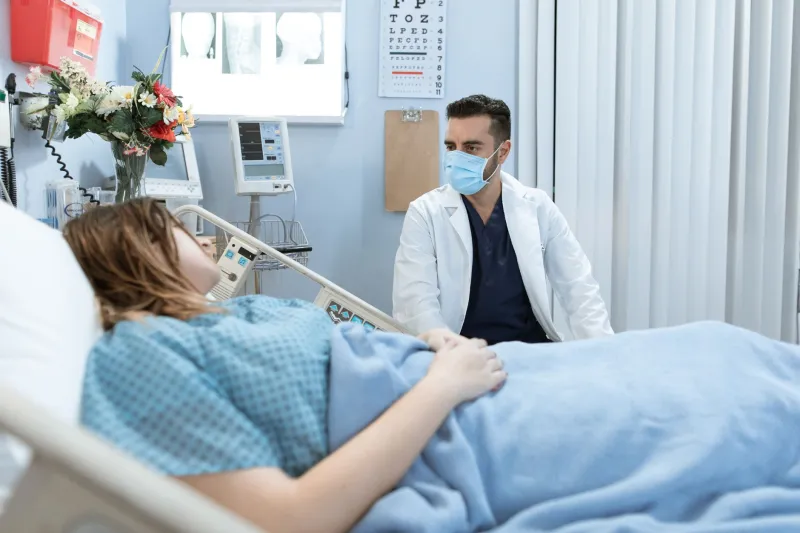
Ask people in long-term recovery what scared them most about getting help, and the answer is rarely the therapy or the lifestyle change. It's the first three days. Detox has accumulated more myths than almost any other stage of treatment — and those myths keep people in active addiction far longer than the withdrawal itself would last. Here is what addiction medicine specialists and people in recovery say actually happens.
Myth #1: Detox Is Always Agony
The reality depends heavily on the substance, the duration of use, and the individual's health. Withdrawal from opioids, while intensely uncomfortable, is rarely medically dangerous — described by many patients as a severe flu with restlessness and mood swings. Alcohol and benzodiazepine withdrawal, by contrast, can cause seizures and delirium tremens, which is precisely why those detoxes should never be attempted alone.
"The most dangerous thing a person can do is quit alcohol cold turkey at home," says Dr. Elaine Porter, a board-certified addiction medicine physician in Ohio. "The most dangerous myth is the opposite one — that withdrawal from everything is unbearable. It isn't. And with proper medication, even the hardest detoxes are manageable."
Hour by Hour: A Realistic Timeline
Hours 0–12. After the last use, most people enter detox still experiencing the tail end of intoxication, followed by growing anxiety, cravings, and sweating. Medical staff conduct a full assessment — vital signs, substance history, co-occurring conditions — and typically begin comfort medications early, before symptoms peak.
Hours 12–36. This is where symptoms intensify. Opioid withdrawal typically brings muscle aches, diarrhea, chills, and insomnia. Alcohol withdrawal may bring tremors, elevated heart rate, and in unsupervised settings, seizure risk. In a medically managed program, nurses monitor vital signs on a schedule, and medications like buprenorphine, clonidine, or benzodiazepines are adjusted in real time.
Hours 36–72. For most substances, the acute peak begins to pass. Appetite returns. People sleep — often for the first time in months. "By day three, most of my patients are eating and asking real questions about what comes next," says Dr. Porter. "That's when the actual treatment planning starts."
Some substances follow different clocks. Benzodiazepine withdrawal can emerge slowly over a week or more and requires a gradual taper. Methamphetamine and cocaine withdrawal is less physical but can bring profound depression and anhedonia that lasts weeks.
Myth #2: You Just Have to White-Knuckle It
Medication-assisted treatment has transformed detox. Buprenorphine can dramatically reduce opioid withdrawal symptoms; benzodiazepine protocols make alcohol detox dramatically safer; clonidine, trazodone, and anti-nausea medications address the misery in between. "Twenty years ago we managed suffering. Now we treat it," Dr. Porter notes. "The old horror stories come from an era before modern protocols."
What It Feels Like From the Inside
Marcus R., 41, entered a medically supervised detox in Denver after a decade of opioid dependence. "I built it up in my head as the worst thing that would ever happen to me," he recalls. "Was it comfortable? No. But there was a nurse checking on me every few hours, and by the second day I remember thinking, *this is it? I did this in my head for years for nothing."
Dana K., 34, detoxed from alcohol after two hospitalizations. "I was terrified of seizures — my grandfather died of one," she says. "The team explained every medication before they gave it. Day two was rough. Day three I slept eleven hours and woke up hungry for the first time in a year."
Stories like these are common, and they share a theme: the anticipation of detox is almost always worse than the experience under medical care.
Myth #3: Detox Is Treatment
This may be the most important misconception to correct. Detox clears the substance from the body; it does not address the addiction itself. People who complete detox and return directly to daily life relapse at strikingly high rates — and because tolerance drops during withdrawal, relapse carries a serious overdose risk.
Quality detox programs treat the first 72 hours as a doorway, not a destination. Before discharge, staff should help arrange the next step: inpatient rehabilitation, an intensive outpatient program, medication maintenance, or a recovery residence.
How to Prepare if Detox Is in Your Future
- Choose a medically supervised program. Verify state licensure and 24-hour nursing coverage.
- Be honest during intake. Staff can only manage what they know about, including all substances and prescriptions.
- Arrange obligations in advance. Work leave, childcare, and pet care reduce stress on the other side.
- Bring comfort items. Insurance paperwork, a phone charger, loose clothing, and reading material all help.
The first 72 hours of recovery are hard. They are not the punishment popular culture has made them out to be, and with medical supervision, they are safer and more survivable than the disease they interrupt. For free, confidential guidance on finding a supervised detox program near you, contact SAMHSA's national helpline at 1-800-662-4357, available 24 hours a day.