Hour by Hour: What the First Three Days of Detox Actually Demand
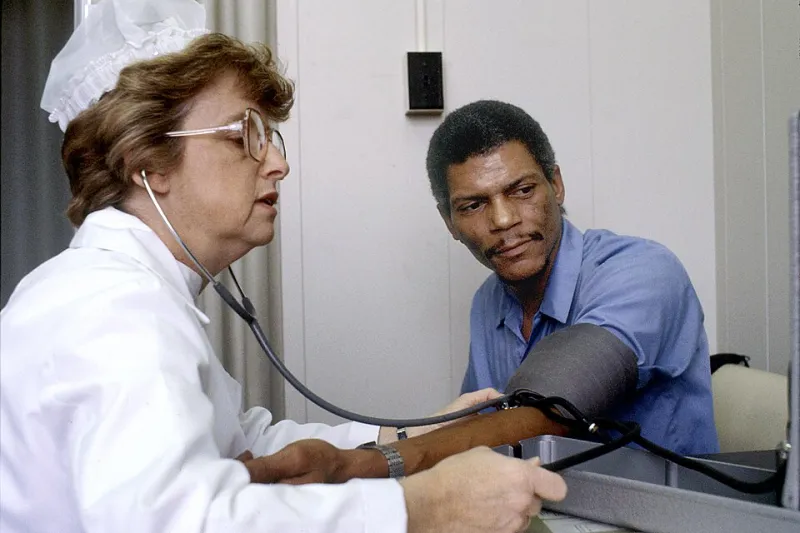
Photo: Linda Bartlett (Photographer), Public domain, via Wikimedia Commons
Before Hour One
Detox is not a test of willpower. For alcohol, benzodiazepines, and certain other sedatives, abrupt cessation can cause seizures, dangerous agitation, or delirium tremens. Medical supervision is the standard of care for people at risk of complicated withdrawal. Even when a person insists on stopping at home, families should treat the decision as a medical event, not a private project.
Preparation begins before admission. Gather a medication list, insurance card, photo identification, emergency contacts, and a short history of substance use, prior withdrawals, and psychiatric conditions. Ask the facility whether it provides 24-hour nursing, physician coverage, withdrawal scales, and a written plan for transfer to treatment. If the person is at risk of severe withdrawal, do not leave them alone while waiting for a bed.
Hours 1-12: Assessment and Stabilization
The first hours are usually about safety, not comfort. Intake staff will check vital signs, ask about substance use and medical history, and may order toxicology tests. They will assess withdrawal severity using tools such as the Clinical Institute Withdrawal Assessment for Alcohol or the Clinical Opiate Withdrawal Scale. These are not formalities. They determine medication, monitoring frequency, and the level of care.
Families should expect paperwork, waiting, and limited visiting. Ask who is responsible for the person's care during the night. Ask how often vital signs are checked and what happens if withdrawal worsens. For alcohol withdrawal, medication may be given to prevent seizures and reduce agitation. For opioid withdrawal, medications can ease symptoms and support the transition to ongoing treatment. The exact plan depends on the patient and the clinician.
A calm, brief goodbye is often more helpful than a long negotiation. Bring comfort items only if the facility permits them. Write down the main phone number and the name of the charge nurse if one is available.
Hours 12-48: The Volatile Middle
Withdrawal symptoms often intensify in the first day or two. Alcohol withdrawal can bring tremor, sweating, nausea, anxiety, and insomnia; severe cases may involve hallucinations, seizures, or delirium. Opioid withdrawal is rarely fatal on its own, but it can be intensely uncomfortable, with flu-like symptoms, body aches, diarrhea, and agitation. Stimulant crashes can bring exhaustion, depression, and suicidal thoughts.
This is the stretch where families may feel most helpless. Advocacy means asking specific questions rather than demanding a particular outcome. Ask how the patient is sleeping, eating, and drinking fluids. Ask whether fall precautions and seizure precautions are in place. Ask whether the facility has a plan for psychiatric symptoms or suicidal ideation. If the person has a history of complicated withdrawal, make sure that history is in the chart, not only in a family memory.
Visits may be restricted, and phone calls may be brief. Keep communication steady and nonjudgmental. Avoid revisiting old arguments during detox. The brain is under strain, and the goal is to get through the medical risk, not to win a family debate.
Hours 48-72: Planning the Handoff
Detox is a bridge, not a destination. By the third day, the clinical team should be discussing the next level of care: residential treatment, a partial hospitalization program, intensive outpatient care, or a structured outpatient plan. The handoff is where momentum is often lost. Insurance authorization can delay admission. A person may feel better and begin to doubt the need for further treatment. A family may assume that medical stabilization equals recovery.
Ask the case manager for a written discharge plan. Confirm the next appointment before discharge. Ask how medications will be continued, whether naloxone will be provided, and what the plan is for the first 24 hours after leaving. If the next program cannot admit the person immediately, ask what interim support is available. A return to an empty home with no scheduled contact is a plan for drift.
An Advocacy Script for Families
Families do not need to diagnose or direct care. They need to ask clear questions and keep a record. Useful phrases include:
- Can you explain the monitoring plan for tonight?
- What withdrawal scale are you using, and how often is it scored?
- Who do I call if I am worried about symptoms after visiting hours?
- What is the plan if the person wants to leave before the handoff?
- Has the next provider confirmed the bed or appointment in writing?
- What should we do if the person is discharged after 5 p.m. on a Friday?
Write down the date, time, and name of each person you speak with. Ask for the patient advocate if concerns are not addressed. Keep the tone factual. Staff are more likely to respond to a specific safety question than to a general complaint.
The Bridge, Not the Finish Line
The first 72 hours of detox are a medical and logistical passage. They demand supervision, honest history, and a plan for what comes next. Families can help most by treating detox as the beginning of a care transition, not as proof that the crisis is over. The goal is not simply to get through withdrawal. It is to arrive at the next stage of treatment with the person still engaged, still safe, and still connected to help.