Abstinence Only? Why the Recovery Community Is Still Fighting Over a Strip of Film
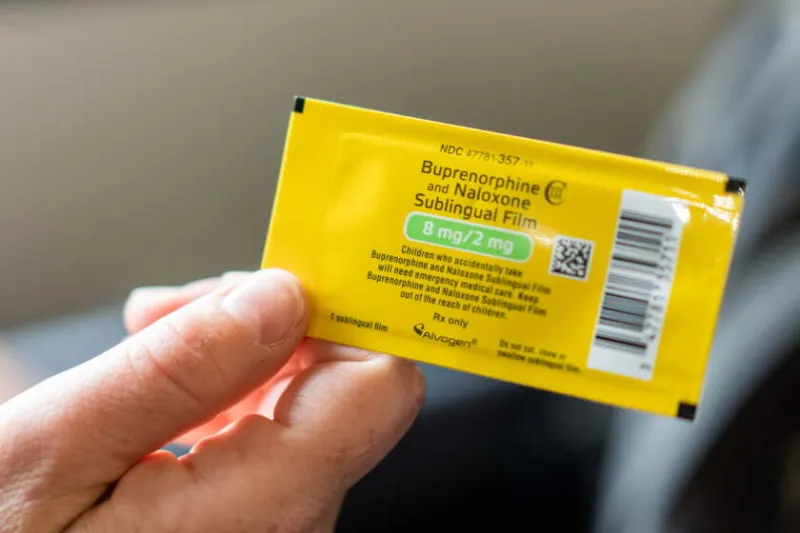
Photo: person holding suboxone strip medication opioid treatment clinic, via cst.brightspotcdn.com
Walk into almost any twelve-step meeting in America and you will hear the same debate playing out in whispers: is someone who takes a daily dose of buprenorphine truly sober? For a treatment backed by decades of research — and endorsed by the Surgeon General, the CDC, and the American Society of Addiction Medicine — medication-assisted treatment (MAT) still carries a surprising amount of baggage. For patients and families weighing their options, understanding that tension is essential before choosing a path.
What These Medications Actually Do
Opioid addiction changes the brain's chemistry in ways that make willpower alone a brutal and often losing proposition. Two medications dominate American MAT practice:
Buprenorphine (sold as Suboxone, Subutex, and generics, often as dissolving strips or tablets) is a partial opioid agonist. It attaches to the same receptors as heroin or fentanyl but activates them far more weakly, quieting cravings and blocking withdrawal without producing a meaningful high. Taken as prescribed, it lets a person drive a truck, attend a parent-teacher conference, and sleep through the night.
Methadone, dispensed daily at federally regulated clinics, is a full agonist but, at a stable maintenance dose, acts as a ceiling-protected substitute that prevents withdrawal and craving cycles. It remains the gold standard for many long-standing opioid dependencies.
A third medication, naltrexone (Vivitrol), works differently — it blocks opioid receptors entirely and requires full detox first. All three are associated with dramatically lower overdose death rates compared with medication-free treatment.
Why the Controversy Persists
The objection usually comes down to philosophy. Critics within some abstinence-based programs argue that replacing one opioid with another is not recovery, and some sponsors and even rehab facilities have historically required patients to taper off medication as a condition of participation. In the worst cases, patients have been quietly asked to leave halfway houses or denied meeting speaking roles.
The counterargument is stark: MAT patients die of overdoses at far lower rates, stay in treatment longer, and regain custody, employment, and health at higher rates. The divide increasingly looks less like medicine and more like culture — a residue of the same stigma that once framed addiction as a moral failing rather than a chronic, treatable condition.
Finding a Prescriber in Your State
Since 2023, the federal X-waiver requirement has been eliminated, meaning any clinician with a standard DEA registration may prescribe buprenorphine. In practice, however, many still choose not to, so finding a willing provider takes legwork:
- Use the SAMHSA Treatment Locator (findtreatment.gov) and filter for medication-assisted treatment
- Contact your state's behavioral health agency, which often maintains a MAT provider list
- Ask primary care physicians directly — many now prescribe buprenorphine in office settings
- For methadone, locate an accredited opioid treatment program; these are the only facilities authorized to dispense it
What to Expect at the First Appointment
A typical initial visit includes a substance use history, a physical assessment, and often a drug screen. If you arrive in active withdrawal, buprenorphine can usually be started that day under observation; patients must be in mild withdrawal before the first dose to avoid precipitating worse symptoms. Expect a conversation about counseling or peer support — most quality programs encourage both, even while recognizing the medication itself is the intervention with the strongest mortality evidence.
Questions to Ask Any Program
Before enrolling anywhere, ask plainly: Do you permit patients to remain on prescribed MAT? A facility's answer will tell you whether its philosophy fits your needs. Increasingly, the answer across American treatment is yes — and every year, more people survive long enough to prove the skeptics wrong.