Treatment That Lets You Sleep at Home: How Outpatient Programs Became the Backbone of American Rehab
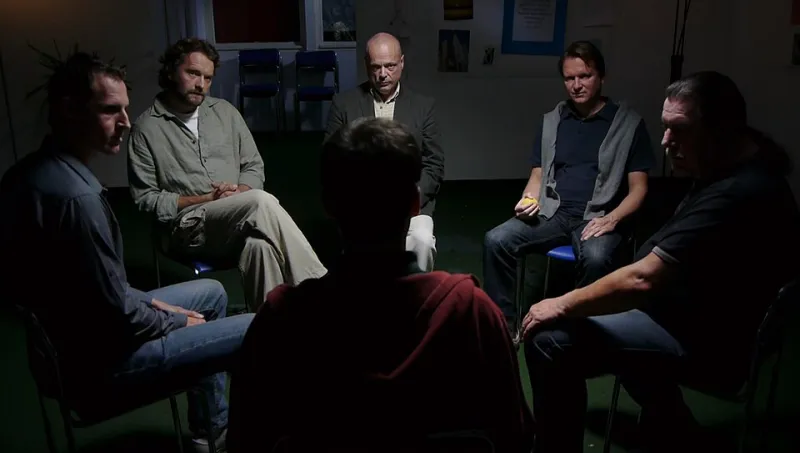
Photo: Philipp Müller-Dorn, CC BY-SA 4.0, via Wikimedia Commons
The Rehab Most People Never Picture
When Americans imagine rehab, they picture a residential campus: a single room, a set schedule, thirty days of distance from the world. That image sells television dramas, but it describes a shrinking share of actual care. The reality is quieter and closer to home — literally. A majority of people who enter treatment for substance use disorders in the United States do so on an outpatient basis, attending structured therapy sessions several times a week while continuing to live at home, keep a job, and care for their families.
Two formats dominate this landscape: the intensive outpatient program (IOP) and the partial hospitalization program (PHP). Neither requires an overnight stay. Both have expanded faster than nearly any other part of the treatment system over the past decade, driven by insurance parity rules, telehealth adoption, and a growing recognition that recovery doesn't have to happen behind a locked door.
What Actually Happens in an IOP
An intensive outpatient program typically requires nine or more hours of treatment per week, usually delivered in three-hour blocks across three to five days. A partial hospitalization program is more demanding — often twenty or more hours weekly, essentially a full working day of clinical care, five days a week.
A representative IOP day might look like this:
- Check-in and vital screening. Staff review mood, cravings, and any use since the last session. Drug testing is standard and frequent.
- Core group therapy. Ninety minutes to two hours of facilitated group work, often grounded in cognitive behavioral therapy, relapse prevention planning, or dialectical behavior skills.
- Psychoeducation. Rotating modules on triggers, co-occurring mental health conditions, family dynamics, or medication management.
- Individual sessions. Most programs include at least one weekly or biweekly one-on-one counseling appointment.
- Medication support. Many IOPs now integrate medication-assisted treatment — buprenorphine, naltrexone, or disulfiram — coordinated on-site or with a prescriber.
A full course typically runs eight to twelve weeks, though the actual length is adjusted based on clinical progress rather than a fixed calendar.
Why Insurance Favors Outpatient Care
The economics are straightforward. A residential bed can cost thousands of dollars per day; an IOP slot costs a fraction of that. Since the Mental Health Parity and Addiction Equity Act required insurers to treat behavioral health benefits comparably to medical ones, coverage for outpatient addiction care has become widespread — and utilization review departments generally approve IOP levels of care more readily than residential stays.
Under most employer plans and Marketplace policies, IOP treatment is covered with standard specialist copays, and many providers are in-network with major carriers. PHP coverage is somewhat more restrictive, since insurers scrutinize whether the higher level of care is medically necessary. Families should always verify benefits directly and ask whether the specific program is in-network before enrolling — our directory's facility profiles list accepted insurance plans for exactly this reason.
Who Outpatient Treatment Fits — and Who It Doesn't
Outpatient care is not a lesser version of rehab; it's a different clinical tool. It tends to work well for people who:
- Have a stable, substance-free home environment
- Are medically stable enough to detox outside of continuous supervision, or have already completed a separate detox program
- Need to maintain employment, schooling, or caregiving responsibilities
- Have strong motivation and some existing support structure
It is generally not appropriate for people who:
- Face severe or high-risk withdrawal (alcohol and benzodiazepine withdrawal can be life-threatening and requires medical oversight)
- Live with others who actively use substances in the home
- Have repeatedly relapsed after prior outpatient attempts
- Have serious co-occurring psychiatric conditions needing round-the-clock stabilization
For those situations, a medically supervised detox followed by residential care — then a step down to IOP — is the more clinically sound sequence. Many of the strongest programs are built as a continuum, not an either-or choice.
The Growth Nobody Noticed
The expansion of outpatient treatment happened without much public conversation. Telehealth licensure changes during the pandemic made remote group sessions routine; health systems added IOP tracks to hospital behavioral health departments; and standalone programs multiplied in suburban office parks from Ohio to Arizona. For families researching options today, this means two things: more accessible, affordable care than ever — and a wider variation in quality.
Accreditation by the Joint Commission or CARF, licensed clinicians rather than uncredentialed staff, evidence-based curriculum, and clear outcome reporting are the markers that separate legitimate programs from the rest.
Asking the Right Questions
Before committing to any program, ask: What is the weekly schedule and expected duration? Who provides the therapy, and what are their credentials? Is medication-assisted treatment available? How is progress measured, and what happens at discharge — is there an aftercare or alumni plan? A program that can't answer these plainly isn't ready for your family.
Sleeping in your own bed during treatment is not a compromise. For thousands of Americans each year, it's precisely what makes recovery sustainable — as long as the clinical foundation underneath it is solid.