Swipe Right, Stay Sober: A Recovery-First Guide to Dating in America
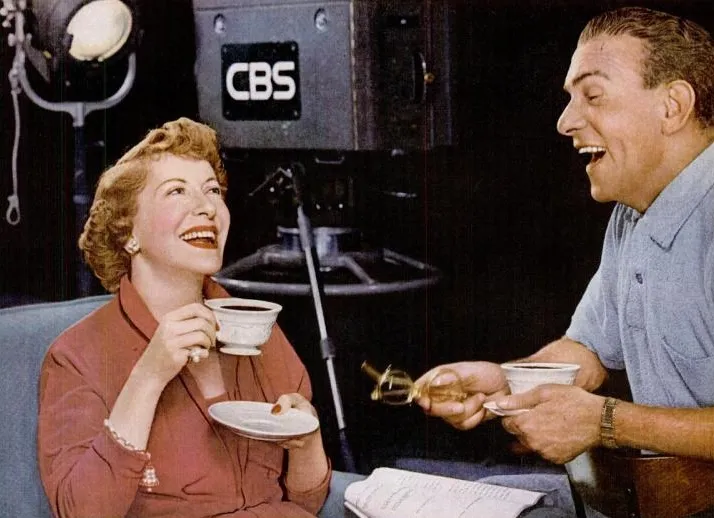
Photo: The ad was produced by the Pan-American Coffee Bureau. Uploaded by We hope at en.wikipedia, Public domain, via Wikimedia Commons
Somewhere between the third month of sobriety and the first genuinely good day, the question arrives: am I ready to date again? For millions of Americans in recovery, the answer is complicated by a dating culture built around happy hours, brewery crawls, and the assumption that a second drink signals chemistry.
The good news is that the landscape has shifted. Sober-curious dating is increasingly visible on major apps, zero-proof bars have opened in cities from Austin to Brooklyn, and more singles than ever are comfortable saying the words "I don't drink." What hasn't changed is the strategy required to protect a program while opening up to another person.
Timing the Conversation: Disclosure Without a Script
One of the most debated questions in recovery circles is when to tell a date about sobriety. There is no universal rule, but most addiction counselors point to a middle path: you are not obligated to share your history on a first date, and you are not being dishonest by waiting.
A practical framework many people in recovery use looks like this:
- Before meeting: If your profile or early messages make sobriety clear, you'll filter efficiently — but you may narrow your matches prematurely.
- Between the first and third date: Enough trust exists for an honest conversation, but not so much investment that a bad reaction is devastating.
- When exclusivity comes up: By the time you're defining the relationship, disclosure is less a risk and more a baseline of intimacy.
What matters more than timing is tone. Framing matters: "I'm in recovery and it's a central part of my life" lands very differently than a whispered apology. The right person will hear it as a sign of self-awareness, not baggage.
When the Date Suggests a Wine Bar
Most first-date invitations still default to alcohol, often without thought. A craft cocktail lounge in Chicago, a rooftop bar in Denver, a vineyard tour in Napa — these are the default settings of American courtship, and they will show up on your calendar.
Rather than treating every invitation as a crisis, successful daters in recovery tend to redirect early and lightly. Suggesting alternatives — coffee, a hike, a museum, a taqueria — signals confidence and gives the other person something to work with. Most people are relieved, not disappointed, when a date doesn't revolve around drinking.
If a date pushes back — "just one won't hurt," "you can have a Coke and I'll drink" — pay attention. Pressure to drink, even playful pressure, is one of the clearest early indicators that a person may not respect the boundaries your program requires.
Green Flags and Red Flags in a New Partner
Recovery veterans often describe new relationships as a stress test for sobriety. The partner you choose becomes part of your environment, and environments matter. Some signals worth watching:
Encouraging signs:
- They ask genuine questions about your recovery rather than tiptoeing around it
- They plan dates that don't center alcohol without being asked
- They're comfortable around your support system, whether that's a 12-step meeting, a therapist, or family
- They take your boundaries seriously the first time you state them
Warning signs:
- They minimize your program or joke about it
- Their social life revolves around drinking and they show no flexibility
- They use your recovery in arguments — as a weakness, a label, or a weapon
- You find yourself shrinking your program to fit the relationship
That last one deserves emphasis. Relapse risk rises when people in early recovery begin hiding parts of their routine — skipped meetings, canceled therapy, quieted honesty — to accommodate a partner. If the relationship and the recovery can't coexist, one of them is in danger.
Dating Apps, Sober
For those reentering the dating pool digitally, a few practical adjustments help:
- Say it plainly or not at all. Listing "sober" in a profile attracts compatible matches and filters out friction, though some prefer to disclose in conversation instead. Both are valid.
- Use the date-planning feature of honesty. Suggesting the venue puts you in control of the setting.
- Watch your own patterns. Dating apps can become a substitute compulsion — the dopamine loop of matches and messages. Many therapists in recovery communities recommend pacing the swiping the same way one paces any other stimulus.
Defining the Relationship, Protecting the Program
At some point, a new relationship gets serious — meeting family, spending holidays together, moving toward commitment. This is where recovery and romance intersect most directly, and where clarity pays off.
A partner doesn't need to manage your sobriety, but they should understand what it involves: the meetings, the sponsor calls, the triggers that don't announce themselves. Couples who succeed tend to treat recovery as a shared fact of the household, not a secret to be managed.
For those dating someone who also drinks casually, the question eventually becomes whether the partner's drinking is compatible with your life. There's no single answer — many people in recovery maintain healthy relationships with moderate drinkers — but the decision should be made deliberately, with a sponsor or therapist, not by drift.
A Final Word
Recovery asks a person to rebuild nearly everything: health, finances, relationships, trust. Dating is one of the last pieces to come back online, and it's normal to feel rusty. But the same tools that carry someone through early sobriety — honesty, patience, boundaries, support — are precisely what make a healthy relationship possible.
If you or someone you love is navigating recovery and looking for support services, our directory can help connect you with programs and aftercare resources in your area.