The Unpaid Shift: When Supporting a Loved One's Recovery Becomes a Second Job
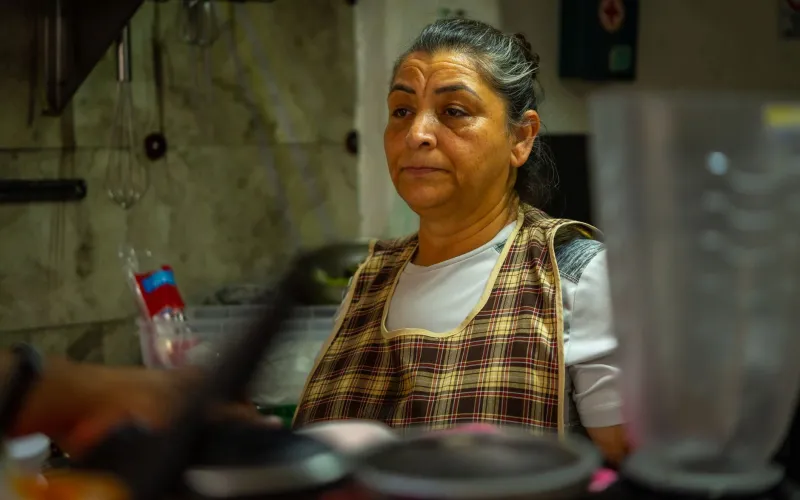
The meeting is at noon on a Tuesday, which means leaving work at 11:15, which means another conversation with a supervisor who has stopped asking questions. The pharmacy closes at six. The counselor calls on Wednesdays. The insurance paperwork needs to be resubmitted before the end of the month. Somewhere in the middle of all of it is a person — usually a spouse, an adult child, or a parent — who never applied for this position and cannot resign from it.
Clinicians have a term for the people who hold recovery together from the outside: the support system. The people inside those systems tend to have a different term for it. They call it a job. Unpaid, unsupervised, and largely invisible.
The Workload Nobody Tallies
Ask formal caregivers — nurses, case managers, social workers — about their responsibilities and you will get a detailed answer, because their labor is documented, billable, and protected. Ask a family member supporting a loved one through substance use disorder and the answer often takes a moment, because no one has ever asked them to itemize it.
The inventory, when it finally comes, is substantial. There is transportation logistics: IOP sessions three times a week, 12-step meetings, psychiatric appointments, court dates. There is medication management, particularly in early recovery when a loved one may also be treated for depression, anxiety, or ADHD. There is financial stewardship — some families take over bank accounts and bill payments to remove access to cash. There is surveillance of a kind that no one wants to name: noticing the tone of a voice on the phone, counting the hours between text replies, checking whether the gallon of vodka in the fridge has moved.
And there is emotional triage. When a relapse scare hits at midnight, the support person answers. When a sponsor is unavailable, they don't have the option of being unavailable. When the recovering person rages, withdraws, or spirals into shame, the family member absorbs it, often while maintaining a job, other relationships, and a functioning household.
Dr. Lena Ortiz, a family systems therapist in Ohio who works extensively with affected family members, describes the pattern as "chronic hypervigilance with no shift change." Her clients, she says, frequently present with symptoms that mirror the anxiety disorders their loved ones are being treated for — disrupted sleep, elevated cortisol, catastrophic thinking — but rarely seek help themselves, because doing so feels like abandoning the person who needs them.
Burnout Has a Shape, and It's Recognizable
The research on caregivers of people with substance use disorder is thinner than it should be, but what exists is consistent. Family members in support roles report elevated rates of depression, physical health complaints, and financial strain. Many describe a phenomenon clinicians call "commandeered identity" — the point at which "wife of someone in recovery" or "mom whose son is in treatment" replaces every other descriptor a person would use for themselves.
The warning signs tend to follow a familiar arc. First, the support person stops mentioning their own needs, because the timing never seems right. Then they stop having needs they can articulate. Then comes resentment, which feels shameful to admit, followed by exhaustion, which feels dangerous to admit, because a depleted support system is one that everyone in the household quietly depends on.
The cruelty of the dynamic is structural: the more reliable the support person becomes, the less anyone — including treatment providers — thinks to check on them.
Boundaries Are Not Abandonment
One of the hardest lessons for family support people is that boundaries and love are not opposites. Al-Anon, the fellowship for families and friends of people with alcoholism, has built seventy years of collective wisdom around this idea, and its core teaching remains blunt: you did not cause it, you cannot control it, and you cannot cure it.
In practice, boundaries look less like dramatic ultimatums and more like ordinary refusals. Not driving to a meeting when a loved one has been drinking. Not lending money that will likely fund the thing it's supposedly not funding. Not lying to an employer. Not screening calls from probation officers indefinitely. Not canceling a daughter's birthday dinner because a relapse scare is unfolding three states away.
Therapists who work with families often frame it this way: a boundary is a statement about what you will do, not a demand about what someone else must do. "I will not be in the car if you've been drinking" is enforceable. "You need to stop drinking" is not.
What Actually Exists for the Support Person
Resources for family caregivers in addiction recovery are patchwork, but they are real, and knowing where to look matters:
- Al-Anon and Nar-Anon. Free, peer-led meetings in nearly every American city and town, plus robust virtual options. This remains the single most accessible starting point.
- Family counseling through the treatment provider. Many accredited rehab programs include family therapy sessions or family education days as part of the treatment plan. Families should ask about this before signing a facility contract — it is often already paid for.
- SAMHSA's National Helpline (1-800-662-4357). While designed for people facing substance use disorders, it routes families to local support resources, including state-funded family programs.
- Employee Assistance Programs (EAPs). Most midsize and large U.S. employers offer free confidential counseling sessions, and caregivers routinely forget they qualify. The EAP covers the employee's family stress, not just the employee's own.
- Therapy for oneself. Increasingly, therapists specialize in "affected others" — the clinical term for people whose lives are shaped by someone else's substance use. Psychology Today's therapist directory allows filtering by this focus.
The Case for Treating Yourself Like Part of the Treatment Team
Treatment professionals will say, correctly, that recovery outcomes improve when families are involved. What they say less often is that involvement should come with the same protections given to any other essential team member: defined responsibilities, scheduled rest, and someone monitoring them for burnout.
If you are the person driving, refilling, calling, and worrying — the support role you've taken on is real work, and real work requires off days. Attending your own meeting, keeping your own therapy appointment, and telling one trusted friend the unvarnished truth are not indulgences. They are maintenance on the person everyone else is counting on.
Nobody hands out applause for this labor. But sustainability, not heroics, is what keeps support systems standing — and a standing support system is one of the strongest predictors of a recovery that lasts.