The Judge's Referral: Inside America's Largest Pipeline Into Treatment

Photo: U.S. Air Force photo by Senior Airman Ashley Talley, Public domain, via Wikimedia Commons
Every weekday morning, in county courthouses from rural Georgia to urban Washington State, a peculiar kind of docket convenes. There are no prosecutors vying for maximum sentences and no defense attorneys negotiating pleas. Instead, a judge asks a person in recovery how their week went — whether they attended their groups, whether their screenings came back clean, whether they found work.
This is drug court, and it has quietly become the single largest source of treatment referrals in the United States. There are now more than 4,000 drug treatment courts operating nationwide, collectively moving tens of thousands of people per year into detox programs, residential facilities, and outpatient care. For families who have spent months trying to coax a loved one into treatment, the concept can sound like a miracle: a system that compels the care they could not.
But mandated treatment is its own complicated institution, and understanding how it works — before a loved one stands before the bench — can make the difference between a genuine turning point and a revolving door.
What Drug Courts Actually Are
A drug court is not a separate criminal charge or a lighter sentence. It is an alternative track within the justice system. A person facing charges — often possession, paraphernalia, or offenses tied to sustaining a substance use disorder — may be offered entry into a supervised program lasting anywhere from twelve months to two years.
In exchange, the criminal case is typically suspended or deferred. Complete the program, and charges may be reduced or dismissed. Fail, and the original prosecution resumes, often with the original penalties back on the table.
The model is built on a carrot-and-stick structure. Participants attend treatment, appear before the judge regularly (often weekly at first), submit to random drug testing, and progress through phases of increasing responsibility. Sanctions for missed meetings or positive tests can range from a verbal reprimand to a few days in jail — a practice that remains one of the most debated features of the model.
What You Can and Cannot Choose
Here is where families are often caught off guard. A court referral gets a person into treatment, but it rarely gets them into the treatment of their choice.
Typically decided by the court or its coordinators:
- The level of care — residential, intensive outpatient, or standard outpatient
- The specific provider, drawn from an approved list of contracted facilities
- The duration of the treatment episode
- The frequency of testing and court appearances
Usually left to the participant:
- Whether to attend mutual-support groups like AA or NA beyond what is required
- Personal preferences within the approved provider list, such as a program with a medication-assisted treatment option
- Practical arrangements like transportation and childcare, often with the help of a case manager
This matters because not every court-approved provider offers the same standard of care. Some are excellent, evidence-based programs. Others are simply the facilities that agreed to the county's contract terms. Families can — and should — ask which providers are on the approved list and research their accreditation and outcomes before a plea is entered.
When the Referral Works — and When It Doesn't
Research on drug courts is genuinely encouraging in the aggregate. Participants have lower recidivism rates than comparable defendants who go through ordinary prosecution, and the National Institute of Justice's multisite evaluations found reductions in both re-arrest and drug use lasting years after graduation.
But averages hide a harder truth. The participants who thrive tend to share certain conditions:
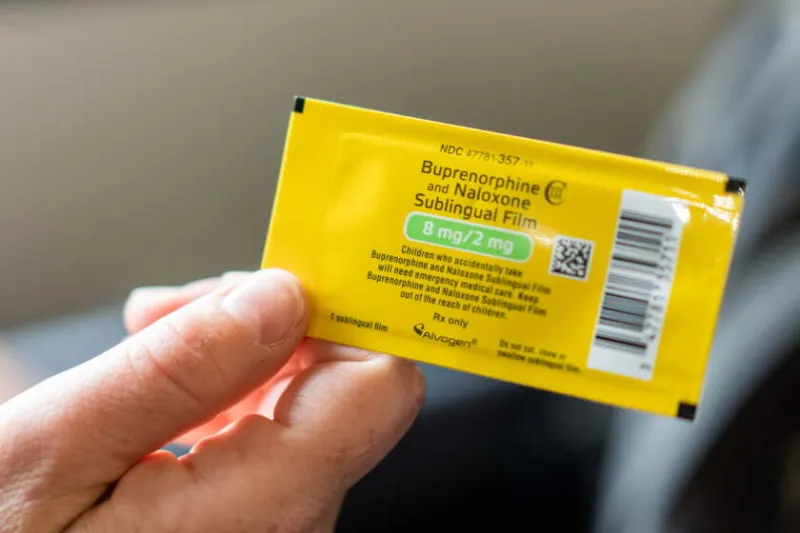
- A real clinical match. Someone with an opioid use disorder who is placed in a program that prohibits medication-assisted treatment has been set up to fail, regardless of motivation.
- Stable housing and support. Treatment plans collapse quickly when a participant returns each night to the environment that fueled the use in the first place.
- Adequate program resources. Overloaded courts with long waits for treatment slots lose people during the gap between referral and admission — often the most fragile window.
The revolving door spins for those who enter the program without a genuine clinical fit, or who are sanctioned out for relapses that their treatment plan should have anticipated. Relapse is a documented feature of addiction; a court that treats it purely as defiance rather than a symptom tends to generate graduates of the courthouse, not of recovery.
Questions Families Should Ask Before a Plea Is Entered
If a loved one is being offered drug court as an option, the decision window is short. A few questions can clarify whether the opportunity is a real one:
- Which providers are approved, and do any offer medication-assisted treatment?
- What happens medically if my loved one is physically dependent and needs detox first?
- How does the court handle a relapse — is there a treatment response before jail sanctions?
- What does graduation actually require, and what percentage of participants complete?
- Is there a public defender or coordinator who can explain the terms before the plea?
An attorney or the court's own coordinator should answer these plainly. A program that cannot or will not is worth scrutinizing.
The Bottom Line
A judge's referral is not a guarantee, but it is often the door that families could not open themselves. Court-mandated treatment works best when the mandated part ends and the genuine treatment begins — when the program matches the person, and the person finds a reason to stay beyond the threat of the docket.
For families navigating this system right now, our directory of licensed treatment centers can help you compare providers before that courtroom door opens — including programs that accept court referrals and offer the full range of evidence-based care.