Where Withdrawal Care Is Free: A Field Guide to Publicly Funded Detox in America
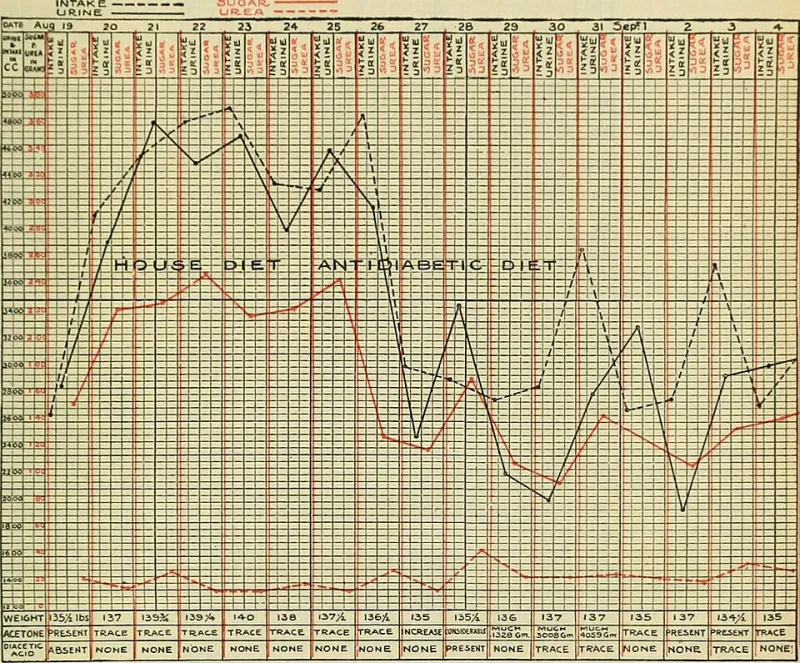
Photo: Internet Archive Book Images, No restrictions, via Wikimedia Commons
Alcohol and benzodiazepine withdrawal can kill. That single clinical fact should govern every decision that follows, because it means the search for free detox is not a search for comfort — it is a search for medical supervision, ideally within hours rather than weeks.
The good news is that publicly funded withdrawal management is more widespread than most families realize. The bad news is that it is fragmented across four separate funding streams, none of which advertises well, and that the phone numbers most likely to appear at the top of a search engine are frequently paid placement services rather than treatment providers.
First, Know What You Are Being Offered
The clinical standard is the ASAM Criteria, which sorts withdrawal care into levels. Level 1-WM is ambulatory withdrawal management, typically outpatient with daily monitoring. Level 2-WM is a monitored residential setting with 24-hour support but not full medical staffing. Levels 3.7-WM and 4-WM add physician involvement, nursing around the clock, and, at the highest level, intensive medical monitoring. A facility that describes itself only as a detox and cannot name its ASAM level is telling you something.
Social-model detox — a bed, supervision, and encouragement, without clinical staffing — has a place for some substances. It is not appropriate for heavy alcohol or benzodiazepine dependence, where seizures and delirium tremens require medical management.
The Four Funding Doors
1. Medicaid. In the roughly forty states and the District of Columbia that have expanded eligibility, most low-income adults qualify, and detox is a covered benefit. Two lesser-known routes matter: hospitals can grant presumptive eligibility at the point of care, and emergency Medicaid may cover a withdrawal admission for someone who would qualify but has not yet enrolled. If someone has ever been approved for Supplemental Security Income, check whether Medicaid is active before assuming it is not.
2. State and county appropriations. Every state administers a Single State Agency for substance use funding, distributing federal block grant dollars and state appropriations to local providers. In Ohio that function runs through county ADAMH boards; New York funds programs through OASAS; Texas routes access through HHSC outreach, screening, and referral contractors; Florida uses regional managing entities. A call to the county health department asking specifically for the publicly funded withdrawal management provider in that county is usually the fastest entry point.
3. Federally qualified health centers. HRSA-supported health centers must offer a sliding fee scale to all patients regardless of ability to pay, and a growing number provide medication for opioid use disorder and outpatient withdrawal support. They are not residential detox, but they are a reliable, no-cost entry into clinical care.
4. Hospital charity care. Nonprofit hospitals are required under IRS rules to maintain a written financial assistance policy, and many will discount or write off emergency and inpatient costs for patients below income thresholds. Emergency departments cannot turn away a patient in medical crisis; a person in severe withdrawal is a medical crisis.
Additional doors worth checking: Veterans Health Administration facilities for eligible veterans, county-run detox units in larger metro areas, faith-based and charitable programs, and clinical trials at academic medical centers.
Questions That Separate a Bed From a Billboard
- Are you licensed by this state, and what is your license number?
- What ASAM level of care is this, and is a nurse on site overnight?
- Do you offer buprenorphine, methadone, or naltrexone, or will you help me continue one?
- What will my out-of-pocket cost be after Medicaid or a sliding fee is applied, in dollars?
- Will I receive a clinical assessment before any payment is requested?
- Do you have a bed today, and if not, what is the waitlist position?
- Can you put the discharge plan in writing before I arrive?
A legitimate program answers these without hesitation. A referral service cannot answer the first one.
Red Flags Worth Walking Away From
Be cautious when a caller demands a deposit or card number before an assessment; when a facility will not name its ASAM level or its medical director; when the offer is a single 800-number that routes to different facilities in different area codes; when a counselor pushes thirty days of residential care for someone whose stated need is a supervised withdrawal; when a program refuses to allow medication for opioid use disorder; or when the waitlist is described as short but the caller cannot confirm a bed exists.
What to Bring
Photo identification. Proof of income. Proof of address. Any insurance or Medicaid card, plus the Medicaid identification number if it is active. A current medication list, including psychiatric medications. Any documentation of SSI or disability. A phone charger, and a list of two people who can be called.
If There Is No Bed Today
Waitlists are real, and withdrawal does not observe them. Alcohol and benzodiazepine withdrawal should never be managed alone at home; an emergency department is the appropriate destination when shaking, confusion, vomiting, or a seizure occurs. SAMHSA's National Helpline, 1-800-662-4357, operates around the clock and can identify state-funded options. The 988 Suicide and Crisis Lifeline handles substance-related crises as well.
The honest summary: free detox in the United States is not a single program but a patchwork of Medicaid, county contracts, health centers, and hospital charity care. The families who find a bed are usually the ones who call the county first, ask for the license number, and refuse to be routed through a broker.