Six Weeks of Silence: The Secret Logistics Families Manage Before Treatment Begins

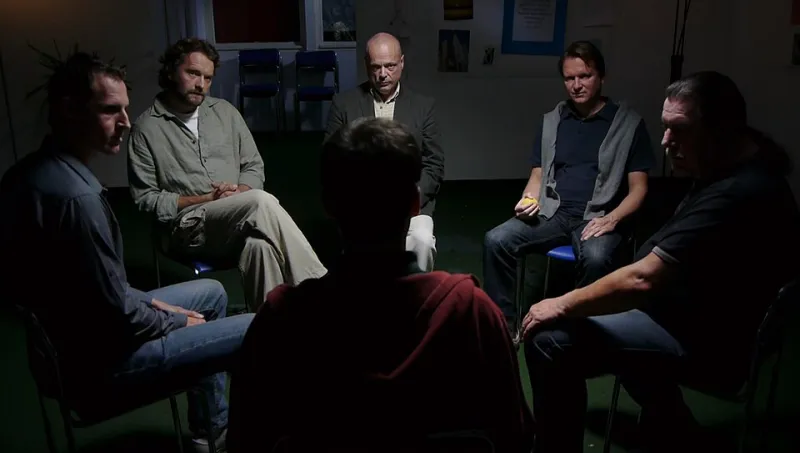
Photo: Tim Evanson, CC BY-SA 2.0, via Wikimedia Commons
The intervention scenes people picture come from television: a living room, a counselor, a plane waiting on a tarmac. What almost never makes it onto the screen is everything that happens first — the weeks of quiet coordination that determine whether an admission actually happens at all.
For families across the country, the stretch between deciding a loved one needs treatment and getting them through the front door is a project unto itself. It is logistical, financial, and emotional work, and it is usually done alone, at night, without telling anyone at the office.
Research Happens in Incognito Windows
Most families begin the same way: a late-night search for treatment centers within driving distance, or across the country if privacy feels safer. The browsing tends to happen after everyone else is asleep, and often on a personal device rather than a work laptop.
The practical questions pile up quickly. Does the facility take the family's insurance? Is there a waitlist for detox beds? Can the program accommodate a co-occurring mental health condition? Families who've done this describe building spreadsheets — columns for accreditation, cost per day, distance from home, and whether someone actually answered the phone when they called.
Veterans of the process offer one consistent piece of advice: call more than three places. Waitlists are common, and the first facility that sounds perfect may not have an opening for weeks. Having backups changes the entire emotional calculus.
The Money Conversation Nobody Warns You About
Insurance verification is often the longest pole in the tent. Families describe spending hours on hold with carriers, requesting pre-authorization letters, and learning the vocabulary of in-network versus out-of-network benefits the hard way.
For those without coverage that extends to residential care, the financial planning gets more creative. Some families liquidate savings. Others arrange payment plans directly with facilities. A surprising number quietly sell a vehicle or borrow against a retirement account — decisions made without consulting the person who will eventually enter treatment, to avoid complicating the conversation to come.
Financial advisors who work with families in this situation recommend documenting every agreement with a facility in writing before admission day, including what happens if treatment is interrupted by insurance changes.
Work, Leave, and the Paper Trail
Someone still has to hold a job while all this happens — sometimes the person entering treatment, sometimes the family member coordinating it.
The Family and Medical Leave Act (FMLA) allows eligible employees to take unpaid, job-protected leave for their own serious health condition, including substance use disorder, or to care for certain family members. HR departments do not need to know the specific diagnosis; a certification from a healthcare provider is sufficient. Families who've navigated this describe learning to ask for "medical leave" plainly and declining to elaborate.
For self-employed individuals or those without FMLA protection, the planning is harder. Some arrange coverage with business partners. Others time admissions around slow seasons or scheduled vacations.
The Hard Conversation, Version Three
By the time the actual conversation happens, most families have rehearsed it — in the car, with a therapist, on a call with an intervention professional. The polished version rarely goes as planned.
What experienced families describe instead is smaller and less cinematic: a Tuesday evening, a kitchen table, a folder of printed facility information. Not an ultimatum delivered in one dramatic speech, but a series of smaller conversations over days or weeks, with the logistics quietly ready when the person finally says yes.
That readiness matters more than it sounds. Admissions counselors note that motivation to enter treatment can be fleeting — a window of willingness that may last hours or days. Families who have already verified insurance, held a bed, and packed a bag can act within that window. Families who have to start from scratch often watch it close.
A Checklist Worth Building Early
Families who've completed the process suggest preparing the following before any conversation begins:
- Insurance verification in writing, including pre-authorization details and out-of-pocket estimates
- Two or three backup facilities with current availability
- A packed bag meeting the facility's specific list — many prohibit certain clothing items, medications, or electronics
- Arranged transportation to the facility, since the person entering treatment often cannot drive themselves
- Childcare and pet care plans, so nothing blocks a same-day admission
- A list of questions for the admissions team about visiting policies, communication rules, and family programming
None of it is glamorous. All of it removes friction at the exact moment friction matters most.
The Quiet Part Is the Point
There's a reason these weeks go unfilmed. They are private, repetitive, and often thankless — a parent refreshing an insurance portal at midnight, a spouse quietly reading facility reviews on a lunch break. But families who've come out the other side describe this invisible work as the true intervention. The conversation gets the credit. The spreadsheet makes it real.