Where Nobody Asks What You're Drinking: America's Quiet Rise of the Sober Social Scene
One of the most common fears people carry out of treatment is deceptively simple: What will I do on a Friday night? For decades, the honest answer was often 'avoid Friday night.' But across American cities, that answer is changing — and changing fast.
The End of the Empty Glass
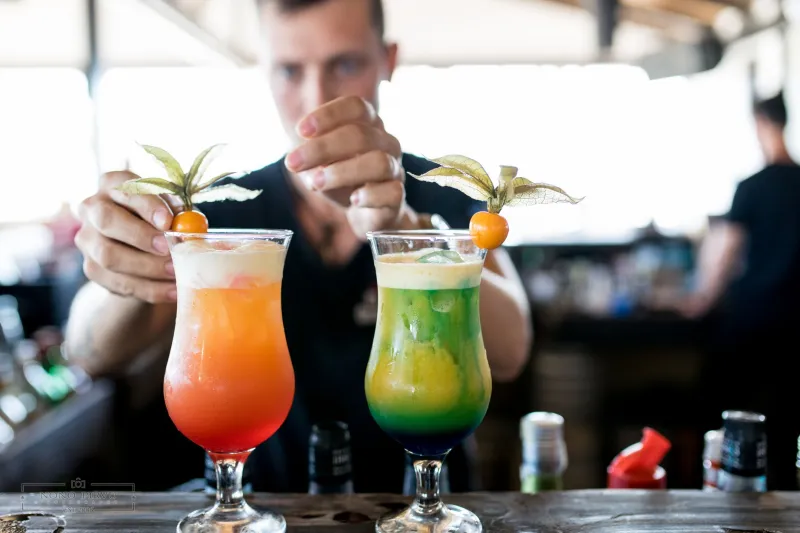
Walk into Getaway Bar in Brooklyn's Greenpoint neighborhood and you'll find dim lighting, a DJ, and a crowd leaning over drinks — none of them alcoholic. Owner Leland Nakamura, who got sober in 2019, opened the space after realizing the city's nightlife had no room for him. Similar venues have followed: Sangre de Oro in Los Angeles, Slate Bistro's dry bar in San Diego, and Hekate Café & Elixir Room in Manhattan's East Village, where house-made tonics and zero-proof spritzes come with a side of community.
Austin has become a particular hub. Kombrewcha and other zero-proof spots sit alongside a broader sober-curious infrastructure, while Denver's Cohere and Rochester, New York's Edgewood — a dedicated alcohol-free event space — show the model works far beyond the coasts. Even major metros without a dedicated sober bar now host regular zero-proof pop-ups, many organized through social media groups rather than brick-and-mortar locations.
Movement as Meeting Place
Not every alcohol-free social space calls itself sober. In Denver, the Run Club 5280 has grown into a weekly ritual for hundreds, many of whom discovered it while navigating early recovery. Similar recovery-friendly run clubs have taken root in Chicago, Nashville, and Phoenix, where the structure is simple: meet, run or walk, and grab coffee after. The activity fills the hours alcohol once occupied, and the group fills the role a bar crowd once played.
Fitness-based communities — climbing gyms, sober yoga collectives, boxing programs — have become informal recovery networks in cities nationwide. The shared exertion creates the kind of bonding that researchers have long associated with sustainable sobriety: accountability without judgment, friendship without intoxication.
Alumni Networks and the Long Game
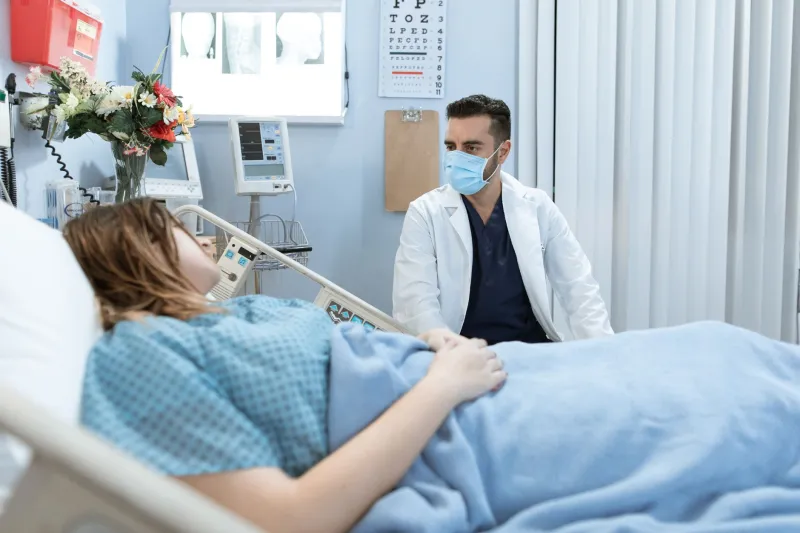
Within the treatment community, a quieter shift is happening too. Rehab alumni programs — once limited to an occasional holiday gathering — have evolved into ongoing social calendars: weekend hikes, volunteer days, sports leagues, and monthly dinners. For people leaving detox and residential care, these networks address the highest-risk period, the first months home, when isolation and boredom pose the greatest threat to stability.
The message these programs send is deliberate: recovery is not a life of subtraction. It is a life with different — and often richer — infrastructure for joy.
Why This Matters Clinically
Addiction medicine has long recognized that environment shapes outcomes. A person who leaves treatment and returns to the same social circle, the same routines, and the same Friday nights faces steep odds. The growth of alcohol-free social spaces gives clinicians something concrete to point to when patients ask what comes next. Connection, the research consistently shows, is among the strongest predictors of long-term recovery — and these venues manufacture connection by design.
Finding Your Scene
A few practical starting points:
- Search "sober bar" or "zero-proof" plus your city on Instagram and Eventbrite — most of these communities live online first.
- Ask your treatment program whether it runs an alumni group or partners with local recovery social events.
- Look into recovery-specific meetups through national organizations, many of which host chapters in mid-size cities like Columbus, Tucson, and Raleigh.
- If nothing exists locally, start small: a weekly coffee meetup or walk group with one or two people from your support network is how most of these movements began.
A Different Kind of Saturday
The people filling these spaces — the sober, the sober-curious, and everyone in between — are not performing abstinence. They are simply out, together, on a Saturday night, without the morning-after math. For anyone early in recovery wondering whether fun survives sobriety, the answer is being written nightly in bars with no liquor license, gyms with no happy hour, and living rooms full of people who understand. It turns out the best nights were never really about the drinks.