The Two Days After the Ambulance Leaves: Making the Emergency Room Handoff Count
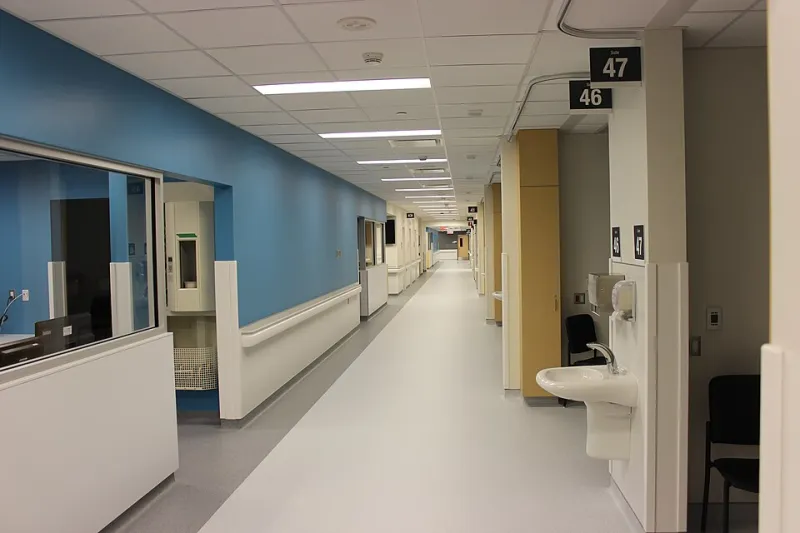
Photo: Calvin411, CC BY-SA 4.0, via Wikimedia Commons
The call usually comes at an inconvenient hour, and it ends the same way in thousands of American emergency departments each week: a patient revived with naloxone, a two- to four-hour observation period, a printed sheet listing local treatment numbers, and a ride home. The reversal worked. The handoff, in most cases, does not.
This is the most fragile seam in the entire recovery system, and it is worth examining closely, because the hours after an overdose reversed are simultaneously the moment of greatest medical risk and the moment of greatest willingness to accept help.
Why the Danger Rises After the Rescue
It is intuitive to assume that a reversed overdose ends the emergency. Clinically, the opposite is often true. Naloxone has a half-life shorter than most opioids, so as it wears off the respiratory depression can return. Tolerance has dropped substantially during the period of reduced use, meaning a dose that once produced a high can now be lethal. Someone who is precipitated into withdrawal may leave against advice, use again to stop the sickness, and return to the emergency department — or not return at all.
With illicit fentanyl now dominating the supply in most American markets, the margin between a survivable dose and a fatal one has narrowed further, and counterfeit pressed pills have spread the risk into populations that never intended to use an opioid. Research on nonfatal overdose consistently finds a sharply elevated risk of death in the weeks and months that follow the first event, with the tightest window in the days immediately after.
What a Warm Handoff Is Supposed to Be
Warm handoff is not a slogan. It describes a specific practice: a person — not a pamphlet — physically connecting the patient to the next stage of care before the emergency department visit ends. In its strongest form it includes four components.
Peer recovery support in the room. A trained peer specialist with lived experience, engaged while the patient is awake and the family is present, rather than after discharge planning has already concluded.
Emergency-department-initiated medication treatment. Since a 2015 randomized trial demonstrated that starting buprenorphine in the emergency department and linking to ongoing care dramatically increased treatment engagement, a growing number of hospitals have adopted the practice, and programs such as California's CA Bridge have spread the model. A patient does not need to be in withdrawal to discuss it, and asking for it should not be treated as an unusual request.
A bridge prescription and a confirmed appointment. A bridge prescription provides medication for the days between discharge and the first clinic visit. The appointment should be scheduled, with a date, time, and address, not a referral phone number.
Naloxone at discharge. Take-home naloxone, with a demonstration, is recommended practice and is often dispensed from the emergency department itself.
What Families Can Ask For, Concretely
Hospital staff respond best to specific, calendared requests. Consider asking, in this order:
- Is there a peer recovery coach or community health worker available tonight?
- Can a clinician discuss medication for opioid use disorder before we are discharged?
- If medication is started, who prescribes the next dose, and where?
- Can the first follow-up appointment be scheduled for within seventy-two hours, and can we get it in writing?
- Will you send a warm handoff call to the receiving clinic while we are still here?
- Can a hospital financial counselor help start a Medicaid application before discharge?
- Can we have a naloxone kit, and can someone show us how to use it?
- What is the plan if the patient begins withdrawing in the car?
Families have more standing in this conversation than they often assume. A relative who is calm, specific, and present at the bedside is treated as part of the care team far more often than one who arrives angry at 4 a.m.
When the Patient Wants to Leave
Many do. A person who has been revived may be embarrassed, in withdrawal, or insistent that the episode was a mistake. Discharge against medical advice is not the end of the conversation, and the family's job in that moment is to reduce the immediate danger rather than win the argument.
Several states allow involuntary commitment for substance use through civil statutes — Massachusetts has long used Section 35, Florida the Marchman Act, Kentucky Casey's Law among others — but these processes vary widely, take time, and are not a substitute for a treatment bed. What can be done immediately: confirm the patient is not alone, provide naloxone and a demonstration, offer transportation, secure any substances in the home, and write down a follow-up number that someone has actually called.
The Paperwork Nobody Remembers
Ask for the discharge summary and a signed records release that names the receiving provider. Note which medications were given in the emergency department. If the patient received buprenorphine, record the dose and the time, since the next prescriber will need both. Keep the paperwork together in one place; a family binder is unglamorous and effective.
Building the Forty-Eight-Hour Plan Before You Need It
Families who have already lived through one reversal tend to build the plan afterward. Better to build it beforehand. That plan answers four questions: where is the naloxone, who is trained to use it, who stays with the person tonight, and which clinic answers its phone on a Saturday.
The emergency department door is a threshold, not a destination. Whether a person walks through it into treatment depends less on luck than on whether someone in the room knew what to ask for.